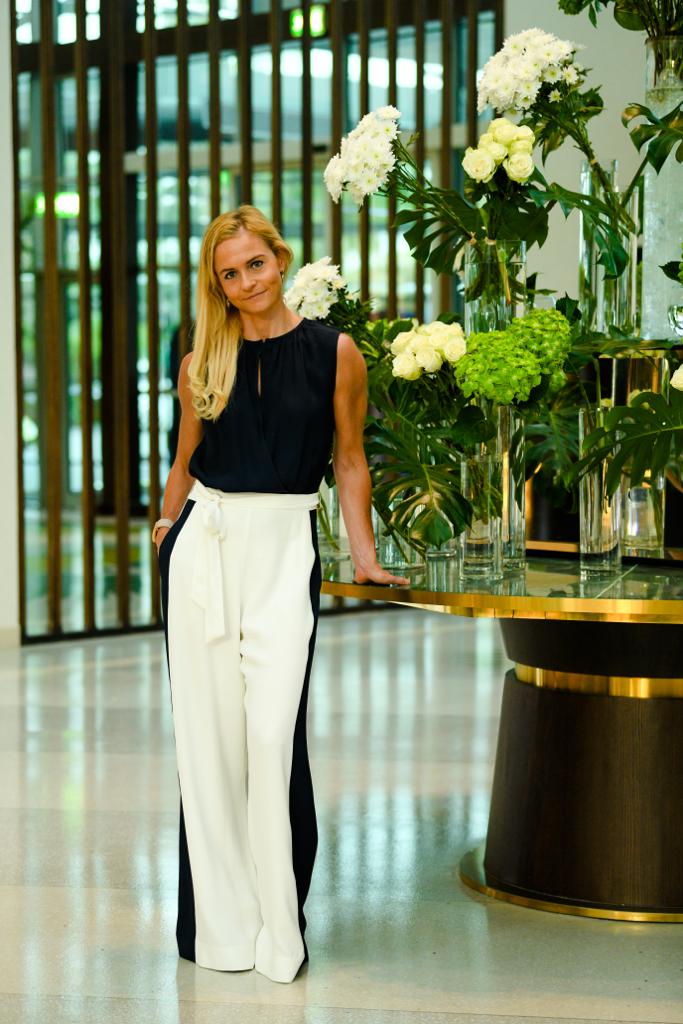
High Performance Health Podcasts
Longevity Masterclass: How Women Can Live Longer, Stronger & Healthier
Somewhere in your late 30s and 40s, everything you used to do stops working. The energy drains, the middle thickens, the sleep gets lighter, and your sharpness goes fuzzy.
AUDIO
TRANSCRIPT
[Angela Foster] (0:00 - 0:10)
Over the years on my podcast, I've sat down with some of the sharpest minds in health, longevity, and female physiology, and what I've pulled together here are the moments that have actually changed the way I think about ageing well.
[Stacy Sims] (0:10 - 0:16)
Most of the stuff, if not all of the stuff that's coming out about longevity again is on male data. There's a very small amount on active women.
[Angela Foster] (0:17 - 0:32)
We start with Dr. Stacey Sims on why so much of the longevity advice out there was built on male data and what that means for us women. Then I'll walk you through the core pillars I come back to again and again. When you prioritise these seven foundational pillars, you don't just get healthier, you become more successful.
[Gabrielle Lyon] (0:33 - 0:42)
The earlier one starts with the health of skeletal muscle, and that does mean resistance training, exercising, sprinting, running. This is the key.
[Angela Foster] (0:42 - 0:50)
Dr. Gabrielle Lyon makes the case for muscle as the foundation of a long, strong life. Liz L shares why sunlight is one of the most underrated tools we have.
[Liz Earle] (0:50 - 0:56)
By going out in early morning light, I'm telling my body to make more collagen. It's preparing the skin.
[Valter Longo] (0:56 - 1:05)
Everybody should have at least advised to have a diet that has certain components using the foods from your own land and from your own ancestry.
[Angela Foster] (1:05 - 1:32)
Professor Valter Longo breaks down how to use nutrition to slow biological ageing. Think of this as the highlight reel, the best of what I've learned on longevity in one place. Let's get into it.
Let's kick off with what do you think is the one thing at the moment? Women are getting more and more educated. You have put so much work out recently.
Incredible, everything you're doing. What do you think is the number one thing that women are still not really understanding about optimising for longevity?
[Stacy Sims] (1:33 - 2:43)
I think everyone is missing the mark because they're looking for that 1%. They're going down the rapamycin, the methylene blue, the hot, cold, all of those little X factors, and they're forgetting the foundational stuff. They're forgetting about sleep and how you can't budge the needle on anything from metabolism, body comp, any of that, unless you have really good adequate sleep.
Then I look at physical activity and there's so many rabbit holes to go down when you're listening to a lot of the media chatter that's out there. What do I do? Do I lift heavy or do I do high reps?
Do I do zone two? Do I do high intensity? They're not really paying attention to what their body needs and where they are.
They're just kind of following the trends and same with nutrition. Unfortunately, I think a lot of people are missing out on the whole community and nature aspect that's so beneficial for improving parasympathetic, extending life. There's so much research about green space and being in green space.
People are just kind of like, oh, but what about methylene blue? What about rapamycin? What about all these other supplements that I should be taking when they're missing the mark on just the basic foundations?
[Angela Foster] (2:44 - 3:06)
That's such a great point. I see it actually a lot myself. They're almost like optimising for things like supplements, for example, which are supplemental without getting the basics right.
It surprises me when I see people who are having energy crashes and they haven't even gone out and got morning light, for example, but they're thinking, what can I take to boost my energy? It's kind of almost putting the advanced strategies ahead of the basics.
[Stacy Sims] (3:06 - 4:07)
Because they're listening to the bro science. The bros, the inner one bros, the Brian Johnsons and the others of the world, let's do this, this, this, and they're experimenting on themselves. Then they make documentaries, they put out podcasts, all that stuff.
People just have lost sight of what are our basic fundamentals that we need to do. The other thing that women are missing, and it's not by the fault of them, it's the fact that most of the stuff, if not all the stuff that's coming out about longevity, again, is on male data. There's very small amount on active women.
Because we know exercise over a longer period of time creates really strong epigenetic changes, and those epigenetic changes will mean that you are ageing differently than someone who hasn't exercised. So the strategies that they're putting out there about exercise and kind of body composition optimisation is different for someone who has never exercised or is just dabbling in it, versus someone who's had a really long history.
[Angela Foster] (4:08 - 4:14)
Insofar as the person who's had a really long history is going to see better results, lower inflammation, ageing slower.
[Stacy Sims] (4:15 - 5:50)
Yep, for the most part, definitely. But then when you're looking at, I'll always bring it back to like the zone two, because everyone can kind of relate to that. It's like, if you have never been doing any exercise, then your midlife, maybe you do want to spend some time doing the zone two to just boost your capacity to really jumpstart your mitochondria.
But if you have been active your whole life, you don't need to do that, because your body's already really capable of that and being metabolically flexible. But no one talks about those nuances. Those nuances are lost in so much of the conversation, because we go from, oh, from sleep to the 1% X factor of supplementations, and no one's really looking at what are our skewed variations.
And part of it also, I like to bring this back to simple things like the sociocultural experience of women who are 50 now versus who are 80 now. So people who are 50 now, they had the opportunity to grow into more brain stimulating jobs and occupations versus someone who's 80. So we're looking at Alzheimer's and dementia changes, right?
The population that's 80 now is going to be completely different from the population that's 80 in 30 years, because of the differences in their brain stimulation in key moments of time. And that also is not being brought up, because there is a significant sex difference in those kinds of opportunities that women versus men have. So the whole ageing thing is really interesting, and I'm really interested to see how it's playing out.
But there's so many things that women are just not aware of, because it hasn't been brought out into the conversation.
[Angela Foster] (5:50 - 18:59)
Have you ever had one of those moments where you catch your reflection and think, who is that tired person looking back at me? You know you're in there somewhere, underneath the stress, the endless to-do list, and the feeling that you're constantly running on empty. If you're a woman over 35, you know exactly what I'm talking about.
It's like we hit this point where we're juggling careers, families, and everything in between, and the first thing that gets sacrificed is us. I know this because I've been there. In fact, I hit a wall so hard, it almost broke me.
At 38, I was hospitalised with double pneumonia. My body was shutting down, my mind was a mess, and I was a mum to three young kids who needed me. That was my rock bottom, but it was also my turning point.
Fast forward to today, I recently did a deep dive into my health. I'm talking all the tests, a full-body MRI, comprehensive blood work, a deep dive into my microbiome and DNA, DEXA scans for body composition and bone density, resting metabolic rate, and VO2 max. And the results were incredible.
My biological age is over 20 years younger than my actual age. My VO2 max is in the elite category for my age group. My bone density T-score is superior to most 25-year-olds, and my gut microbiome is primed for low inflammation, metabolic health, and longevity.
And I didn't do it with crazy diets or spending hours in the gym. I did it by making seven sustainable changes that I'm going to share with you today. I call them the Longevity 7.
And today, I want to share the Longevity 7, the seven simple things that transformed my health. This isn't about some biohacker's goal of living to 150, though that's fine if it is your goal. This is for the high-output woman like you who wants to live a life full of the three Fs, freedom, fun, and fulfilment.
If you're in that 36 to 46 window right now, or even if you've passed it, I want you to know it's not too late. Every positive change you make today contributes to your health tomorrow. So if you want to feel amazing now and have the energy and vitality to live fully for decades to come, stick with me.
Make sure you stay with me to number seven, as then you'll hear about the easy ways to integrate practises into your day that pay huge dividends on your health and longevity while giving you back time. Before we dive into the seven pillars, I need to address something that I see holding so many high-performing women back. You shouldn't have to choose between your success and your health.
Too many women believe that achieving their goals means sacrificing their well-being, that building a business, advancing in their career, or showing up fully for their family requires running on empty, skipping workouts, eating on the go, and accepting exhaustion as the price of ambition. But here's what I've learned from both my own journey and from working with hundreds of women. When you prioritise these seven foundational pillars, you don't just get healthier, you become more successful, you have more energy, you think more clearly, you make better decisions, you show up as your best self in every area of your life.
The strategies I'm about to share aren't about adding more to your plate, they're about optimising what you're already doing so that your body and brain can perform at their peak. This is about working with your biology, not against it. And it's not just me.
Recent research from Finland has shown that there's a critical window in our lives from our mid-30s to mid-40s where the choices we make have a massive impact on our future health. This is when our bodies start to lose their resilience and things like stress, poor sleep, and a less than perfect diet start to catch up with us. But here's the beautiful part.
This is also the window where we have the most power to change our trajectory. It's not about punishment or restriction, it's about course correction. And it's never, ever too late to start.
So if you're ready to feel vibrant, energised, and truly alive again, stick with me and make sure you stay until the end because the seventh pillar is the one that ties it all together and gives you back your most precious resource, time. Okay, let's start with the first pillar, moving your body daily. This doesn't mean smashing yourself in the gym every single day.
So a week for me might look like three to four resistance training sessions and one VO2 max session. And the rest of the time is all about gentle movement, long walks, stretching, or hanging out with my kids. It's about consistency, not just intensity.
The key is balancing hard days with easy days, both at work and in the gym. This approach allows you to build muscle mass, increase strength, and improve the all-important VO2 max, while also prioritising recovery, mobility, and a higher heart rate variability, or HRV, which is a key marker of your body's resilience to stress. And you don't need a gym for this.
What researchers call exercise snacks can be incredibly powerful. Things like 20 second sprints on a stationary bike every few hours can increase your VO2 max by 6%. Climbing 60 steps, that's just three flights of stairs a few times through the day, can boost VO2 max by 5%.
Even doing 10 body weight squats every 45 minutes improves glucose regulation by 22% compared to sitting. These are things that you can easily integrate into your day. And when it comes to walking, the data is clear.
Moving from 2,000 steps to 8,300 steps reduces your risk of all-cause mortality by 60%. Think about how you could incorporate movement throughout your day. For example, making meetings 50 minutes instead of one hour to allow some time to move and revive yourself in between, using the bathroom on a different floor, or taking a call while walking outside.
Pillar number two is about nourishing your body. Let's talk about food. This is where so many of us get overwhelmed.
So let's simplify it. I focus on two main things, protein and plant diversity. First, protein.
As we get older, we need more protein to maintain muscle mass, which is crucial for a healthy metabolism. I aim for about one gramme of protein per pound of my ideal body weight each day. This sounds like a lot, but it's achievable when you spread it out across your meals.
Second is plant diversity. I aim to eat 40 to 50 different plants a week. And no, that's not just salads.
This includes fruit, veggies, nuts, seeds, spices, and herbs. Let me tell you about one of my clients. She came to me at 44 years old, struggling with weight gain, anxiety, and debilitating migraines that were affecting her work and family life.
She was doing everything right, working out, watching her calories, but nothing was working. Once we implemented the core practises I'm sharing, including increasing her protein intake, getting her to 30 plus different plants per week, and exercising three times a week consistently, everything shifted. Her anxiety reduced dramatically.
Her migraines completely disappeared. And here's the part that shocked her the most. Her metabolic age went from 58, which was 14 years above her chronological age, down to 38.
That's a 13 year improvement in just three months. As she told me, she became addicted to feeling healthy. So what made the difference?
One thing was plant diversity. It's easier than you think. We're not just talking about fruits and vegetables.
This includes nuts, seeds, spices, fresh herbs, and even things like garlic, onions, and matcha green tea. I like to make it simple by adding fresh herbs and spices to almost every meal, throwing a handful of mixed seeds into my protein shakes or Greek yoghurt, and always aiming to fill half my plate with colourful vegetables. This diversity feeds the trillions of microbes in your gut, creating a healthy microbiome that is the foundation for everything from your immune system to your mood.
Supporting your gut-brain access is essential for both mental and physical longevity. And here's another reason this matters so much. Your gut microbes actually produce serotonin and dopamine, the neurotransmitters that regulate your mood.
Now, while the serotonin made in your gut doesn't cross the blood-brain barrier, there are neurones in your gut, and a happy gut leads to a happy brain via the vagus nerve, which is like a superhighway of communication between your gut and your brain. But it goes even deeper. When you eat a diverse range of plants, your gut bacteria ferment the fibre and produce short-chain fatty acids, or SCFAs.
These were high on my microbiome test, and they're incredibly important because they help reduce inflammation throughout your entire body. Foods that support SCFA production include things like oats, bananas, garlic, onions, leeks, asparagus, and legumes. Basically foods rich in prebiotic fibre that feed your beneficial bacteria.
Pillar number three is about calming inflammation with healthy fats. Inflammation is at the root cause of so many health issues we face as we get older. One of the most powerful ways to combat it is with omega-3 fatty acids.
I eat oily fish like salmon once or twice a week, and I supplement with a high quality omega-3. This is so important for your heart, your brain, and your mood. It's like giving your body a big calming hug from the inside out.
Omega-3s are also critical for brain health and mood regulation. They help with serotonin production and mood stability, and they're equally important for cognition, focus, and long-term brain health protection. My DNA test also revealed that I carry the APOE4 gene, which increases my risk for late-onset Alzheimer's.
When I learned that taking care of my brain became an absolute priority, and the research is clear, maintaining a high omega-3 index is one of the most powerful things you can do to protect your brain as you age. Pillar number four is incredibly important. Prioritising consistent sleep.
One of my clients was getting as little as nine minutes of deep sleep a night. She was exhausted, and nothing else she did was working. By simply focussing on a consistent sleep schedule, her deep sleep skyrocketed to over an hour a night.
The change in her energy was incredible. It's not about getting a perfect eight hours every single night, but research published in the journal Sleep found that sleep regularity is actually a stronger predictor of mortality risk than sleep duration. That's right, the consistency of your sleep-wake timing may be just as important, if not more important, than how many hours you're getting.
It's about consistency. Aim to go to bed and wake up around the same time each day. This anchors your body's internal clock, which regulates everything from your hormones to your metabolism.
And when life happens and you have a bad night, be kind to yourself. Your body is resilient. When I do have those nights where sleep isn't perfect, I make sure to add in extra brain-supporting nutrients.
One of my go-tos is an extra scoop of creatine, which has been shown to support brain energetics and help make up for sleep deficits. I'll link my episode on creatine below, where I dive into how creatine can help women in particular in midlife. Pillar number five is living with purpose.
This one might surprise you, because it's really powerful. The longest-lived people in the world have a strong sense of purpose. The Blue Zones research, which studies the longest-lived people on the planet, shows us that having a sense of purpose is one of the keys to longevity.
When you have a reason to get up in the morning that's bigger than yourself, it has a profound effect on your health. For me, it's about taking care of my family and helping women like you. What's your why?
It doesn't have to be some grand, world-changing thing. It can be as simple as being there for your family or nurturing a creative passion. If you're looking to find that clarity and reset your own health, I'll be running my 21-day live hormone and longevity research this January.
It's a powerful way to start the year, and I'll put a link in the description below if you'd like to learn more. Okay, so pillar number six is about nurturing your connections. We are social creatures.
Strong relationships are a powerful predictor of a long and healthy life. For my family, this means having dinner together every night. It's our time to connect and share.
Who are the people who lift you up? Make time for them and for yourself. It's not an indulgence.
It's a necessity. And finally, my favourite pillar, connecting with nature. Getting outside, even for just a few minutes a day, can have a huge impact on your well-being.
Walking in nature, breathing in the fresh air, lowers stress, boosts your immune system, and grounds you. A few times a week, I'll make sure to walk in nature with my dogs. Here's what's fascinating.
Trees release organic compounds called phytonocytes. These are the essential oils that plants emit to protect themselves from insects and disease. When we breathe them in, they activate our parasympathetic nervous system, which is our body's natural relaxation response.
Research on forest bathing, or Shirin-yoku as it's called in Japan, shows that these compounds can lower cortisol levels, boost immune function by increasing natural killer cells, and even improve cardiovascular health. But beyond the biochemistry, there's something about moving throughout the day that's essential for longevity. And you don't need to go on a huge hike.
Even short exercise snacks throughout the day, like taking the stairs or doing a few squats, can make a massive difference. Just four minutes of vigorous movement a day can reduce your risk of dying from all causes by up to 34%. So see how you can incorporate a bit of movement throughout your day.
So there you have it, the longevity seven, the seven simple sustainable pillars that took me from being hospitalised at 38 to having a biological age that's 20 years younger today. Here's what I want you to remember. It's not about perfection, and it's never too late to start.
Whether you're in your 40s, 50s, 60s, or beyond, every positive change you make today contributes to your health tomorrow. It's about consistency. It's about choosing to show up for yourself one small step at a time.
And if I can do it, I know you can too. Everyone can get started. That's the first thing I want to say in terms of nutrition plan, in terms of how to start exercising.
But what are the key things that you would say we need to be thinking about from a longevity perspective in terms of optimising our body composition?
[Gabrielle Lyon] (19:00 - 21:09)
The first thing that an individual should really begin to be aware of is that it starts with our children. The people that are interested in this space, the earlier one starts with the health of skeletal muscle. And that does mean resistance training, exercising, sprinting, running.
This is the key. You set the body up for a lifetime of skeletal muscle health and tendon health, because you have to ask yourself what takes people out of the game. And what typically takes people out of the game is whether it's an Achilles tendon rupture or some kind of tendon rupture where it sends people off in a direction where they no longer train.
So the first thing is start early and start aggressive, which might be counter to what people often think about. Let's say that you haven't done that. No problem.
The best time to start was yesterday. The second best time to start is today. And we must think, what are you more willing to do?
There's two levers that essentially we can pull. We can pull the diet lever and we can pull the exercise lever. The one thing that 100% of people do is eat.
That is a lever that everybody must pull. For exercise, 50% of Americans don't exercise. Between 24 and close to 50% of older individuals also don't exercise.
Wow. And I know 24 might seem a little low, but the reality is typically 50% are exercising and 50% are not, which that's pretty abysmal. So the question becomes, is it going to be nutrition or is it going to be the focus on muscle health first?
And I say nutrition, not because it is the most impactful, because a good training session will really change the whole body homeostasis, the body as a unit, muscle as this endocrine organ. But diet is something everybody can do.
[Angela Foster] (21:11 - 21:38)
And when we talk about that, I think in the book, it's very easy, as I say, it's very easily laid out in terms of how much protein people should be eating. I think you mentioned one gramme per pound of target body weight. Carbohydrates, I was calculating mine on the back of your recommendations here, are if you're metabolically healthy, then you would match your protein and your carbs and then the rest would be made up with fats.
That is such an easy thing for people to do, right?
[Gabrielle Lyon] (21:40 - 23:19)
And then of course you can increase carbohydrate load by earning your carbohydrates. The recommendation for protein really in the literature, it talks about 1.2 to 1.6 grammes per kg. And the current RDA, the recommended dietary allowance is set at 0.8, which is really low. It comes out to, let's say a woman is 115 pounds. That number, if you multiplied it by 0.8 is around 45 grammes of protein. That's the minimum to prevent deficiencies.
And we haven't updated those recommendations in decades. But from a optimal ageing perspective, if you want to be healthy, there is no way to be healthy without skeletal muscle mass, period, end of story. And there are two major ways in which you're going to support healthy skeletal muscle.
That is going to be through exercise and diet. The body requires dietary protein to rebuild and repair skeletal muscle, as well as all tissues in the body. And when you shoot for one gramme per pound ideal body weight, that would be, so if I'm 110 pounds and that's my ideal body weight, then easily eating 110 grammes of protein will certainly be sufficient and optimal without any negative side effects.
So the 24-hour protein intake, the amount of protein that you consume, again, of course you could go lower, but there is no issue with that number.
[Angela Foster] (23:19 - 23:23)
And is there an issue with going higher? I know many people worry about it.
[Gabrielle Lyon] (23:23 - 24:00)
No, no. And there's some interesting work out of Jose Antonio's lab. I believe he's in Florida and he did some protein overfeeding studies that went above 3.3 grammes per kg or upwards of three grammes per kg with no deleterious effects. If an individual is healthy, there is no challenge with additional dietary protein. The only reason one person wouldn't do it is because you have to think about what about your fibre and phytonutrients and essential fats, etc. But there is no deleterious effect from increasing dietary protein.
[Angela Foster] (24:01 - 24:05)
So it kind of debunks the whole myths around any kidney problems that people talk about.
[Gabrielle Lyon] (24:06 - 24:27)
No, in fact, when you replace protein with other sources of calories, for example, carbohydrates, we see an increase in improvements in body composition, decrease in body fat, increase in lean muscle mass or increase in lean mass in general.
[Angela Foster] (24:27 - 24:31)
If we're wearing sunscreen, can we still synthesise vitamin D?
[Liz Earle] (24:32 - 28:25)
There's a long answer to that question. The short answer is no. The long answer is much more nuanced.
It depends. If you are wearing your sunscreen properly, which very few of us do, bear in mind that it needs to be applied very thickly and it needs to be applied absolutely to totally cover the skin. Now, most of us don't do that.
Most of us, if we're using it, we'll put it on a thin layer, we'll miss bits. So when people say, yes, you get vitamin D from the sun when you're using sunscreen, yeah, because you're not using your sunscreen properly. You're actually allowing some of that UVB to come through the skin.
But when you look at the clinical tests in the labs where they're applying it properly, they're no, because it's designed to block it. If it's not blocking it, then it's not working. I talk a lot in the book about safe sun exposure.
I have a beauty background. I am very interested and highly invested as a woman with fair skin, ageing, not to age and damage my skin. That is absolutely priority.
But I think in the whole public health messaging, we've taken it too far and too extreme and we've lost sight of actually the goodness of sunshine and daylight. We've become too frightened of it. The messaging is far too broad.
For example, I talk about the public health campaign on the book. She writes papers on skin cancer. She's a serious expert, very highly published.
She really took issue with this campaign because it was run on London Underground in the winter. It was talking about the importance of wearing SPF 50. She was saying it's ridiculous.
It is absolutely ridiculous because people leave home before the sun comes up. They're travelling underground because that's where these posters are. They're then walking into their office.
They're indoors because it's cold and they're going to stay indoors for most of the day. And then they walk back to the tube and they go home again. And it's dark because obviously in the wintertime, it's dark by about four o'clock.
Tell me why you'd need to block your skin with a sunscreen. There is no sun. So I think we need to be much cleverer about where we use sunscreen.
It's judicious use of it. Obviously, if you're fair skinned and you're out in the middle of the day with strong sun exposure, you do not want to burn your skin and you need to protect it. For me personally, I prefer to cover my skin.
I prefer to cover it with clothing, with a hat, sit in the shade or whatever. But that's my personal choice. Other people might want to use a sunscreen.
I think we also have to understand that there are hidden consequences that are only just being discovered now about some of the synthetic sunscreens. For example, there's this connection between the skin's microbiome and our immune cell modulating. They talk to each other the skin cell, the skin's microbiome has a direct relationship of communication with the rest of the body.
The skin is actually an organ of light reception. This is what we're just beginning to understand that the skin has light receptors on it for reasons they're signalling. It's not just blocking and keeping our insides intact.
The skin is actually doing something active in the light. And if we disrupt those signals, there is potential to disrupt how our immune system might function. This is something that the scientists are looking at.
There's also the issue of skin sensitivity and the dermatologists seeing increasing numbers of rosacea, psoriasis, inflammatory skin conditions, periole dermatitis, for example, because of overloading the skin with unnecessary ingredients. So I'm not anti-SPF at all. I'm just saying be careful and mindful of the type that you use and when you use it.
[Angela Foster] (28:27 - 28:50)
Yeah, for sure. And also I suppose like some of them contain toxins, right? And things that you don't want absorbed into your skin as well.
You talk about preparing the skin, which is kind of a new area as well of science in terms of going out in the morning light, which I guess we would have done ancestrally, right? We would have been awake around sunrise. What can we do to kind of prepare our skin, especially now we're sort of recording this in May in anticipation of summer?
[Liz Earle] (28:51 - 31:04)
Well, the people who work with quantum biology and circadian biology and who are very much in favour of getting a lot of sunlight also do not want anybody to be damaging their skin. So it's about adapting the skin. And the worst thing that we can do is stay indoors all year and then rush out for our two week summer beach holiday and fry ourselves on the beach.
We wonder why we go red and we burn. That's because our skin has not got used to the sunlight. We haven't adapted to it.
So this is a good time of year if you want to get some gentle adaptation by going out early in the day when the UV is low and the UV index generally is lower at this time of year and just getting five, 10 minutes, just building up gradually that sun exposure. And then your skin does become acclimatised. It does thicken slightly, which is good.
That's what you want it to do. That's what things like retinols do, makes the skin stronger. It's producing more collagen.
And interestingly, some of those early morning light signals are also talking to fibroblasts in the skin. Fibroblasts are the cells that are making collagen and elastin. So I don't know if you take collagen supplements.
I do. But actually, by going out in early morning light, I'm telling my body to make more collagen. So it's preparing the skin.
And you're right. You know, when we look historically, we were getting up with the dawn and we were going out and working in the fields or hunting and gathering or whatever. And so our skin was being primed for what we knew would come later in the day, which is stronger sunlight.
So it stands to reason that the skin starts to make those anti-inflammatory protective chemicals. It starts to produce nitric oxide. It starts to create the fibroblasts setting up for more collagen and elastin because we know that we're going to need it later on in the day.
Now, if we miss that early signalling and we go out straight later in the day, our skin has not been prepared for that, is not ready to receive the stronger wavelengths of light. And actually, when you look at things like pigmentation, that really comes from the disruption of melanin forming into clumps and clusters because the skin hasn't adapted properly. So if you can adapt your skin properly, then you're going to see far less sign of damage.
[Angela Foster] (31:04 - 32:51)
I've spent years interviewing world-leading experts on longevity, analysing blood tests, and helping hundreds of people optimise their health. So I thought I knew my biology pretty well. Then I had my DNA analysed by stride and it gave me insights I simply couldn't have got from blood tests alone.
With so much conversation around methylation pathways at the moment, I was fascinated to discover where mine needed the most support. Like many people, I assumed MTHFR would be the biggest finding. It wasn't.
My report showed I have a higher need for nutrients like vitamin B12 and choline and a reduced capacity to produce glutathione, one of the body's most important antioxidants. So I've made a few simple changes. I'm paying much closer attention to my B12 status, making sure I'm getting enough choline through foods like eggs and supporting my body's natural antioxidant systems.
They're simple changes, but they're personalised to my DNA. And that's why I've partnered with stride. Their DNA reports show how your genetics influence your nutrition, supplements, and long-term health.
It's a simple at-home mouth swap that gives you personalised insights into your health. If you'd like to understand your own biology and stop guessing, head to getstride.com forward slash Angela for your exclusive discount. You'll also find the link and discount in the show notes.
If you're getting value from this show, the single best thing you can do to help us keep bringing you the highest calibre guests is to subscribe or follow wherever you listen or watch. It takes 10 seconds, but it genuinely makes a difference to the quality of the guests. We bring you week after week.
Super interesting. So just by kind of timing this effectively, we can enhance, as you say, things like collagen and elastin production. We can protect our skin effectively.
We can optimise for vitamin D. We can optimise our sleep and wake cycle. It's just amazing the effects on light.
[Liz Earle] (32:52 - 34:13)
Isn't it? I mean, who knew this? I mean, this is going to become commonplace.
This book, I have to say, it may seem a bit out there right now, but I think a lot of things do seem weird and extraordinary until they become mainstream. And then it's just like, oh yeah, no, we know. Of course we need some sunlight.
Of course we know. We mustn't go and smother ourselves in sun cream first thing in the morning before we've actually had the chance to get some of the goodness. It is going to become just a commonplace everyday acceptance.
And again, quoting Richard Weller, this professor, he says that he thinks that we will look back at this time and our lack of sun exposure as being as damaging to our health as smoking. I mean, that is a pretty bold statement for a clinician, for a medical clinician to say. So, and again, it's about balance, isn't it?
It's just, and I think it's a very nuanced discussion and I'm really keen for people to read about this and understand it. And there's huge sections actually in the book about this, because I knew that it would be such a hot topic. And I thought, I'm not just going to glance over this because it's important to fully understand it.
And the book is fully referenced. The back section is packed with clinical studies and references and quoting medics who support this, because I really want it to be taken seriously because it's so valuable. It's free and it's valuable.
[Angela Foster] (34:13 - 34:24)
When we look at using nutrition as a lever for reversing ageing as much as we can, or at least slowing it down, what are the most important things that we can do?
[Valter Longo] (34:25 - 38:08)
Number one, of course, we should try to have what I call the longevity diet, right? So the longevity diet is something that learns from Mediterranean, Okinawa, Loma Linda, then learns from the mice and the rats and the epidemiology. But essentially, it seems like a pescetarian diet, high in vegetable, high in nuts, olive oil and whole grain cereal, all grains.
It is the ideal diet, some fish maybe two or three times a week. That seems to be the ideal diet. It shouldn't be Mediterranean or Okinawa.
It should be whatever version of it based on where you come from, right? So if you're from Norway, you're not going to have the same diet as somebody from Japan. So this idea that everybody should have the Mediterranean diet is wrong.
But everybody should be at least advised to have a diet that has certain components of using the foods from your own land, let's say, and from your own ancestry. It's very important because if your great-grandparents and parents were lactose tolerant, you probably are lactose tolerant. This is an example of how you can get in trouble by not paying attention to where you come from.
Then number two, I would say fasting-mimicking diet, maybe three times a year, so this is a five-day... Now I think there are over 40 clinical trials on the fasting-mimicking diet. It's a five-day vegan diet.
So no matter what you eat and how bad your lifestyle is, having these three opportunities in the year to do five days of something that is being clinically tested in lots of universities has the job of resetting, like activating autophagy, maybe potentially activating stem cells and reprogramming lots of cells. If somebody was diabetic, the trials will suggest that maybe you should do it once a month or once every two months until you go back, so you can avoid GLP-1 type drugs. We hear a lot about fasting, daily fasting and every other day.
But I really think either because of feasibility or because of side effects, the most reasonable one is 12 hours of fasting per day and 12 hours of eating per day. And so if you start at 7 a.m., you should be done by 7 p.m. That's it, right? And very easy.
People used to do it all the time. Now most people don't do that anymore. Most people eat for 15 hours a day.
And so, yeah, that 12 is very good. As you get to 16, you're going to get bigger effects, metabolism loss, weight loss, but then you get the problems. Goldstone formation, it's much harder to do.
And then you start seeing, if you skip breakfast, and most people do, you start seeing higher mortality from cardiovascular disease, at least higher risk of mortality and higher risk of death. So we know that if you skip meals, that's associated with a shorter lifespan, any meal, right? So yeah, if you skip meals, it should be to eliminate something.
Like I skip lunch, but I skip lunch because I cannot possibly keep my weight in the right place if I don't do that. 150 minutes of exercise per week, plus one hour a day of walking and then sleeping eight hours a night, right? So those are my recommendations.
DESCRIPTION
Somewhere in your late 30s and 40s, everything you used to do stops working. The energy drains, the middle thickens, the sleep gets lighter, and your sharpness goes fuzzy. Here is what almost no one tells you: this is not you failing at willpower. Most of the longevity advice you have been handed was built on male data and biohacker experiments, and it was never designed for a woman in midlife.
In this longevity masterclass, I bring together four of the most respected voices in health and longevity, Dr Stacy Sims, Dr Gabrielle Lyon, Liz Earle, and Professor Valter Longo, to cut through the noise on what actually moves the needle.I also share my Longevity 7, the seven simple, sustainable changes that took me from being hospitalised with double pneumonia at 38 to a biological age over 20 years younger than my actual age, with an elite VO2 max and the bone density of a 25 year old.
This is a practical, physiology first masterclass for high performing women who are done with generic wellness advice and want to build a body that stays strong, sharp, and energised for decades.
WHAT YOU WILL LEARN
- Why is most longevity advice wrong for women over 40?
- What are the foundations of longevity that actually matter?
- Is sleep consistency more important than sleep duration?
- How much protein do women over 40 really need?
- Can eating more protein damage your kidneys?
- What are exercise snacks and do they raise VO2 max?
- How do you build muscle and slow aging in midlife?
- Why does plant diversity matter for gut health and inflammation?
- Do omega 3s protect your brain and mood as you age?
- Does morning sunlight help your skin make collagen?
- Is sunscreen blocking your vitamin D?
- What is the fasting mimicking diet and how often should you do it?
VIDEO
TIMESTAMPS
0:00 The Longevity Mistake Women Make, Why Male-Data Advice Fails And How She Reversed Her Biological Age 20 Years
06:45 The Longevity 7 Pillars: Daily Movement, Protein And Plant Diversity, Omega-3s, Sleep Consistency, Purpose And Nature
17:45 Building Muscle For Longevity, Diet Vs Exercise, How Much Protein You Need And Debunking The Kidney Myth
23:10 Does Sunscreen Block Vitamin D, The SPF Myth And How Morning Light Builds Collagen For Longevity
1:45 The Longevity Diet For Your Ancestry, Fasting Mimicking For Autophagy And The Simplest Fasting Window That Works
VALUABLE RESOURCES
A BIG thank you to our sponsor who make the show possible:
• Stride - Find out your biological age and how your daily habits are influencing it with DNA, bloodwork and microbiome testing with a Stride One membership
https://www.getstride.com/angela/ for 10% off
Click here for discounts on all the products I personally use and recommend
Want to go deeper? Start here:
💌 Fresh Start Sunday Newsletter
Your weekly 3-minute guide to creating the healthiest, most vibrant version of you.
Each Sunday, get one simple habit to boost energy, balance hormones, and enhance longevity - joined by 25,000+ women worldwide.
👉 https://angelafosterperformance.com/
🥗The Ultimate Guide to Creatine for Women -
👉 https://academy.angelafosterperformance.com/creatine-guide
⚡️ 10 Habits that Helped me reverse my Biological Age by 25 years in Perimenopause -
👉 https://academy.angelafosterperformance.com/10-habits-optin-page
Disclaimer: The High Performance Health Podcast is for general information purposes only and do not constitute the practice of professional or coaching advice and no client relationship is formed. The use of information on this podcast, or materials linked from this podcast is at the user's own risk. The content of this podcast is not intended to be a substitute for medical or other professional advice, diagnosis, or treatment. Users should seek the assistance of their medical doctor or other health care professional for before taking any steps to implement any of the items discussed in this podcast.
Recent Episodes
4 Morning Habits for your Mitochondria in Menopause
The Hidden Cause of Weight Gain, Fatigue & Brain Fog in Women Over 40 | Dr. Amie Hornaman
How to Get a Flat Stomach at 50 (7 changes that worked) | Angela Foster
The New Science of Healthy Aging: 5 Biomarkers That Predict How Well You'll Age | Florence Comite
About Angela
Angela Foster is an award winning Nutritionist, Health & Performance Coach, Keynote Speaker and Host of The High Performance Health Podcast.
A former corporate lawyer turned industry leader in biohacking and health optimisation for women, Angela regularly gives keynotes to large fitness, health and wellness events including the Health Optimisation summit, The Biohacker summit, Dragonfly live, Elevate Fitness conference and Gaia TV. She also delivers Health Optimisation and Performance Workshops to large multinational corporations and senior leaders with a strong focus on women’s health and burnout prevention.
Angela is also the creator of BioSyncing® a blueprint for high performing women who want to ditch burnout, harmonise their hormones and elevate their life.